Tungnath Trek with Kids: Age, Distance & Safety Guide
There is usually one moment on the Tungnath trail when a family stops talking. It may happen as the forest begins to open into rolling meadows
 By Saurabh Rana on 18 April 2024
The Chardham Yatra is not an ordinary holiday. It takes pilgrims through the high-altitude regions of Uttarakhand to Yamunotri, Gangotri, Kedarnath and Badrinath
The Chardham Yatra is not an ordinary holiday. It takes pilgrims through the high-altitude regions of Uttarakhand to Yamunotri, Gangotri, Kedarnath and Badrinath. During the journey, you may experience cold mornings, strong sunlight, sudden rain, long road journeys and physically demanding trekking routes.
Packing correctly can make the difference between a comfortable pilgrimage and a difficult one. The aim is not to carry a heavy suitcase filled with unnecessary items. Instead, you should pack light, choose practical clothing and keep important medicines, documents and weather protection within easy reach.
This complete Chardham Yatra packing list will help you prepare for the journey, whether you are travelling with family, senior citizens, children or a private group.
Weather in the Himalayas can change without warning. A clear morning may turn into a cold or rainy afternoon, while temperatures can fall quickly after sunset. Conditions also vary significantly between the lower towns and the high-altitude pilgrimage sites.
Kedarnath and Yamunotri involve trekking, while Gangotri and Badrinath are generally reached by road. Even pilgrims travelling by helicopter or pony may need to walk through crowded, uneven or slippery areas.
The official Tourist Care Uttarakhand portal advises pilgrims to carry warm clothes, valid personal identification, rain protection and necessary medicines. These essentials should form the foundation of your packing list.
Keep all your important documents together in a waterproof pouch. Carry the original documents where required, along with printed and digital copies.
Your document folder should include:
Save copies of all important documents on your phone and email. You should also share them with a trusted family member who is not travelling with you.
Mobile networks may not work continuously in the mountains, so do not rely only on online copies.
Layering is the best way to dress for the Chardham Yatra. Instead of carrying one extremely heavy jacket, pack several lighter layers that can be added or removed as the temperature changes.
Pack comfortable clothes that can be worn close to the body:
Quick-dry clothing is more practical than heavy denim because it is lighter and dries faster after rain or washing.
Even when the plains are hot, the pilgrimage destinations can be cold, particularly during the early morning, evening and night.
Carry:
Keep one warm layer in your day bag rather than placing all your winter clothing in the main luggage.
Avoid carrying too many jeans, heavy fashion garments or clothes that restrict movement. Wet denim becomes heavy and takes a long time to dry.
Women can wear salwar suits, comfortable trousers, track pants or other modest clothing suitable for walking and changing weather. Loose garments should be managed carefully on trekking routes and near pony movement.
Rain is possible during different parts of the Yatra season and becomes a greater concern during the monsoon months. Mountain rain can begin suddenly, so rain protection should remain accessible.
Pack:
A poncho is usually more practical than an umbrella during a trek because it keeps your hands free and can also cover part of your backpack.
Check the official weather forecast for the Dhams before departure and during the journey. Travel restrictions may be introduced when heavy rain, landslides or other unsafe conditions are expected.
Proper footwear is one of the most important parts of the Chardham Yatra packing list. New or uncomfortable shoes can cause blisters and make the trek unnecessarily difficult.
Carry:
Wear your trekking shoes several times before the journey. Do not begin the Kedarnath or Yamunotri trek in brand-new footwear.
Avoid smooth-soled shoes, heels, formal footwear and loose slippers on trekking routes.
Pilgrims planning to walk to Kedarnath or Yamunotri should carry a small and comfortable daypack.
Useful trekking items include:
A trekking pole can provide balance on steep, wet or uneven sections. It can be particularly helpful for senior citizens, although anyone with mobility or health concerns should seek medical advice before undertaking the trek.
Do not overload your daypack. Carry only what you are likely to need during that day’s journey.
The Chardham Yatra includes high altitudes, changing temperatures and long periods of road travel. Anyone with an existing medical condition should consult a qualified doctor before travelling.
Carry enough prescribed medicine for the complete journey, plus a small reserve in case your return is delayed.
A personal medical kit may include:
Do not start taking altitude-related medicine without consulting a doctor. Symptoms such as severe breathlessness, chest pain, confusion, fainting, extreme weakness or persistent dizziness require prompt medical attention.
Keep essential medicines in your hand luggage. Never place all medication in a suitcase that will travel separately.
Basic hygiene products may not always be easily available on remote routes. Carry travel-sized items to keep your bag light.
Recommended items include:
Choose fragrance-free or mild products where possible, especially if you have sensitive skin.
Dispose of used tissues, wipes and sanitary products responsibly. Never leave plastic waste on trekking routes or near rivers and temples.
Regular hydration is important during road journeys and trekking. However, carrying too much packaged food only increases luggage and creates waste.
Keep a small supply of:
Avoid overeating before steep walks. Eat light, familiar food and drink water at regular intervals.
Senior citizens and travellers with diabetes or other dietary restrictions should keep suitable snacks and prescribed medication readily accessible.
Electricity and charging facilities may be limited or busy at certain stops. Carry only the electronics you genuinely need.
Useful items include:
Download your route, hotel addresses, transport vouchers and registration documents before leaving an area with reliable internet.
Keep your phone charged, but avoid depending on it as your only source of identification, tickets or emergency information.
Large luggage should remain in the hotel or vehicle whenever possible. Use a compact day bag for temple visits and short journeys.
Your day bag can contain:
Keep valuables secure in crowded areas. Carry only the cash and documents required for that day.
Digital payments are widely used, but mobile networks or payment services may not always work in remote locations.
Carry:
Cash may be useful for tea stalls, local transport, porter services, small purchases or situations where digital payments are unavailable.
Avoid carrying excessive cash or displaying valuables unnecessarily.
Kedarnath requires special preparation because of its altitude, cold weather and trekking route.
Keep the following in your Kedarnath daypack:
Start the journey according to official route and weather instructions. Avoid carrying a heavy backpack during the trek.
Pilgrims travelling by helicopter must check the baggage allowance mentioned by the authorised operator before packing. Helicopter baggage limits can be strict and may differ from normal airline luggage rules.
The Yamunotri journey includes a steep trekking section from Janki Chatti. The path can become wet, crowded and slippery.
Carry:
If using a pony, palki or dandi, follow local safety instructions and keep loose clothing, bags and straps properly secured.
Gangotri and Badrinath are accessible by road, but both destinations are located at high elevations and can become very cold.
Carry:
Long road journeys can cause motion sickness for some travellers. Consult a doctor beforehand if this is a recurring problem.
Senior citizens should travel with extra preparation and should not feel pressured to match the pace of younger pilgrims.
Their packing list should include:
A family member should know where the medicines and documents are kept.
Children need warm, dry and comfortable clothing. Pack a few extra items because their clothes and socks may become wet during the journey.
Carry:
Keep children close in crowded temple areas and near trekking routes used by ponies.
The early Yatra season can be very cold at higher elevations. Snow and icy conditions may remain near some routes.
Prioritise:
Days may feel pleasant, but mornings, evenings and high-altitude areas can still be cold. Rain is also possible.
Carry both sun and rain protection, along with warm layers.
These are generally the main monsoon months. Heavy rain can cause slippery paths, landslides, falling stones and road disruptions.
Prioritise:
Always follow official weather and route advisories.
The weather may be clearer, but temperatures begin to fall, especially in the morning and after sunset.
Thermals, a warm jacket, gloves and a woollen cap become increasingly important as the season progresses.
Try not to pack:
The official pilgrimage guidance advises against consuming alcohol and tobacco and asks visitors not to litter.
Before closing your luggage, make sure you have packed:
Carry one manageable main bag and one small daypack. Avoid packing unnecessary clothes or heavy items, especially if your programme includes Kedarnath or Yamunotri.
Yes. High-altitude destinations can remain cold even when temperatures are hot in Delhi, Haridwar or Rishikesh. At least one warm jacket should always remain accessible.
Yes. Mountain weather can change suddenly. A raincoat or poncho is more useful than relying only on an umbrella.
Comfortable, water-resistant trekking or walking shoes with a strong grip are recommended. Wear them before the journey to ensure they do not cause discomfort.
Do not take altitude medication without medical advice. Speak to your doctor before travelling, particularly if you have heart, lung, blood pressure or other health concerns.
Large luggage should normally be left at your hotel or suitable storage point. Carry a small daypack containing only essential items for the trek or overnight stay.
It is not compulsory, but a trekking pole or walking stick can improve balance on steep and uneven sections.
Yes. Keep a reasonable amount of cash in smaller notes because card and digital-payment services may not work everywhere.
Senior citizens should prioritise prescribed medicines, medical documents, warm layers, comfortable footwear, walking support and emergency contact information.
Yes. Carry printed copies of your registration letter and important bookings because mobile signals and battery power may not always be available.
A sensible Chardham Yatra packing list should focus on warmth, rain protection, comfortable footwear, medicines and essential documents. You do not need to carry your entire wardrobe. Lightweight layers and a well-organised daypack are far more useful than a heavy suitcase.
Check the latest weather and route updates before departure, especially during the monsoon. Keep your Yatra Registration Letter, identity document and personal medicines easily accessible throughout the journey.
The Chardham Yatra is both spiritually meaningful and physically demanding. Thoughtful packing will help you travel more comfortably, respond better to changing conditions and focus on the purpose of your pilgrimage.
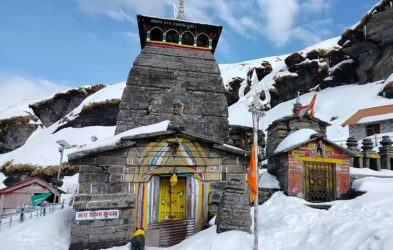
There is usually one moment on the Tungnath trail when a family stops talking. It may happen as the forest begins to open into rolling meadows
Senior-friendly pilgrimage planning Can Senior Citizens Complete the Yamunotri Trek? Yes, many senior pilgrims visit Yamunotri every season—but the right question is not simply, “Can they walk?” It is, “Which…
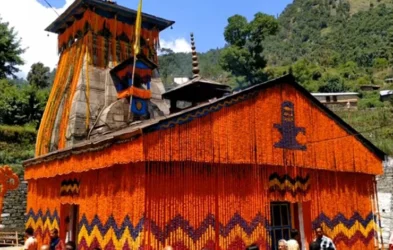
Hidden among the mountains of Uttarakhand, Triyuginarayan Temple is a place where faith, mythology and natural beauty

The Char Dham Yatra is one of India’s most sacred pilgrimages, taking devotees to Yamunotri, Gangotri, Kedarnath and Badrinath
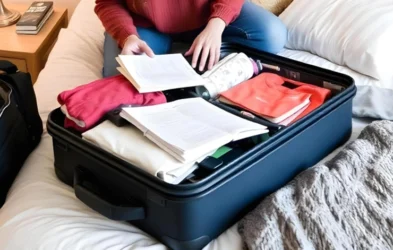
The Chardham Yatra is not an ordinary holiday. It takes pilgrims through the high-altitude regions of Uttarakhand to Yamunotri, Gangotri, Kedarnath and Badrinath