Tungnath Trek with Kids: Age, Distance & Safety Guide
There is usually one moment on the Tungnath trail when a family stops talking. It may happen as the forest begins to open into rolling meadows
 By Ashok Kumar on 31 July 2026
Yes, many senior pilgrims visit Yamunotri every season—but the right question is not simply, “Can they walk?” It is, “Which travel plan will let them complete the darshan safely and without unnecessary strain?” A slower itinerary, an honest health assessment and a pre-decided pony or palki option can make the difference between a meaningful pilgrimage and an exhausting one.
| Detail | Practical information |
|---|---|
| Trek route | Janki Chatti to Yamunotri Temple |
| Distance | Plan for approximately 5–6 km each way; published measurements vary slightly by the exact starting point |
| Trail | Mostly paved or stone-laid mountain path with continuous uphill sections, bends and crowded stretches |
| Difficulty for seniors | Moderate to difficult when walking; it depends on fitness, joints, balance, heart and lung health, weather and crowd levels |
| Walking time | Often 3–5 hours uphill for a senior walker, plus darshan, rest and the descent; never plan by a younger traveller’s pace |
| Assisted travel | Pony/horse, palki or dandi, and kandi services are generally available from authorised counters at Janki Chatti |
| Best approach | Stay near Barkot, Hanuman Chatti or Janki Chatti, start early and keep a full day for Yamunotri |
| Best seasons | Generally May–June and September–October, subject to temple dates, road status and weather |
Imagine a family reaching Janki Chatti with their 68-year-old mother. She is excited, has been walking every morning for a month and wants to begin on foot. The first kilometre feels manageable. Then the trail becomes steeper, the crowd thickens and the cold air makes each step slower. By the time the family considers a pony or palki, everyone is tired and the easier options may already be occupied.
This is a common planning mistake. The decision to walk, use a pony or book a palki should be made before starting—not after a senior traveller is exhausted.
Consider recent activity level, knee or back pain, balance, breathlessness and existing heart, lung, blood-pressure or diabetes concerns.
Decide whether the pilgrim will walk, ride a pony or use a palki. Keep a backup plan if weather or health changes.
Avoid a long drive and the full trek on the same day. Rest near the route and begin early with enough daylight.
Best for a senior who regularly walks uphill, has good balance, has no limiting medical condition and has received appropriate medical advice. A walking stick, light backpack and frequent short breaks are useful.
Reduces walking but still requires balance, hip mobility and confidence on a moving animal. Mounting and dismounting can be difficult for people with knee, hip, back or balance problems.
Often the more practical choice for pilgrims who cannot walk the route or safely sit on a pony. Availability and applicable weight limits should be checked at the authorised counter.
Yamunotri Temple stands at approximately 3,293 metres. At this elevation, the lower oxygen level can affect even travellers who have never experienced altitude problems before. The risk depends on the rate of ascent, exertion and individual health—not only on age.
Stop ascending if the traveller develops a new headache, nausea, dizziness, unusual weakness, loss of coordination or breathlessness that is greater than expected. Confusion, inability to walk straight, breathlessness at rest, chest pain, fainting or blue lips require urgent medical help and descent. Do not mask worsening symptoms merely to complete darshan.
A pulse oximeter may provide additional information, but it does not replace symptoms, clinical judgement or medical care. Do not take oxygen, acetazolamide or any new medicine without advice from a qualified healthcare professional who knows the traveller’s medical history.
For most elderly pilgrims, the more comfortable windows are generally late May to June and September to early October. Early-season cold, peak-season crowds and monsoon rain can make the route more demanding. July and August may bring slippery surfaces, road interruptions and landslide risk, while late autumn can become very cold.
There is no universally “perfect” date. Before leaving, check the current weather forecast, road advisories, temple schedule and local administration instructions. If heavy rain or a weather alert is issued, postponing the trek is the safer decision.
Char Dham registration is required for pilgrims. Complete it through the official Uttarakhand Tourist Care portal and keep the registration letter or QR record accessible. Each traveller should carry the same identity document used during registration.
Families should also confirm the vehicle drop point, expected crowd conditions, local service-counter timing and the senior traveller’s mobility needs before reaching Janki Chatti. A local team cannot remove the mountain’s challenges, but it can prevent avoidable confusion.
Age alone cannot decide suitability. Some active 70-year-olds may walk part or all of the route, while younger people with heart, lung, joint or balance problems may need a palki. A medical assessment and a realistic mobility plan are more useful than an age cut-off.
Families should plan for roughly 5–6 km each way. Published figures vary slightly depending on the measured starting point. The sustained uphill gradient makes the effort more important than the number alone.
A pony reduces walking, but the pilgrim still needs balance and enough hip, knee and back comfort to mount, sit and dismount. For a person with poor balance or significant joint problems, a palki may be more appropriate. Discuss individual suitability with a healthcare professional.
Procedures and availability may change. Confirm through current local-authority or registered-union information and use the authorised counter at Janki Chatti. Avoid sending advance payment to an unverified person or website.
One full day is normally kept for the Janki Chatti–Yamunotri return journey. Senior travellers should sleep nearby before the trek and avoid combining it with a long same-day road transfer.
Yes. Registration applies to pilgrims, including senior citizens. Use the official Uttarakhand Tourist Care portal and follow the current verification instructions.
Share the travellers’ ages, health and mobility needs, starting city and preferred travel dates with Uttarakhand Trails. Our local team can help build a comfortable route with sensible halts, suitable transport and practical assistance for Yamunotri.
Health disclaimer: This travel article provides general planning information and is not medical advice or a fitness certificate. Conditions at Yamunotri can change quickly. Senior travellers should obtain personalised advice from a qualified healthcare professional and follow current directions from local authorities.
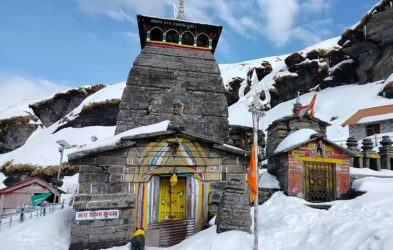
There is usually one moment on the Tungnath trail when a family stops talking. It may happen as the forest begins to open into rolling meadows
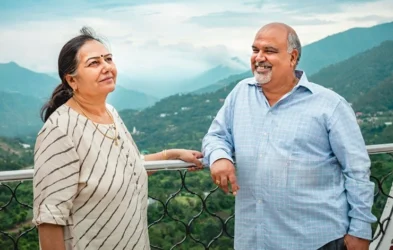
Senior-friendly pilgrimage planning Can Senior Citizens Complete the Yamunotri Trek? Yes, many senior pilgrims visit Yamunotri every season—but the right question is not simply, “Can they walk?” It is, “Which…
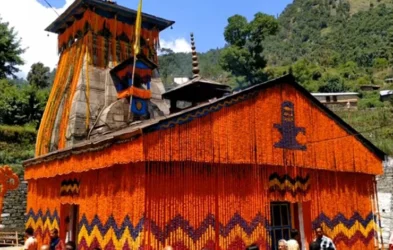
Hidden among the mountains of Uttarakhand, Triyuginarayan Temple is a place where faith, mythology and natural beauty

The Char Dham Yatra is one of India’s most sacred pilgrimages, taking devotees to Yamunotri, Gangotri, Kedarnath and Badrinath

The Chardham Yatra is not an ordinary holiday. It takes pilgrims through the high-altitude regions of Uttarakhand to Yamunotri, Gangotri, Kedarnath and Badrinath